
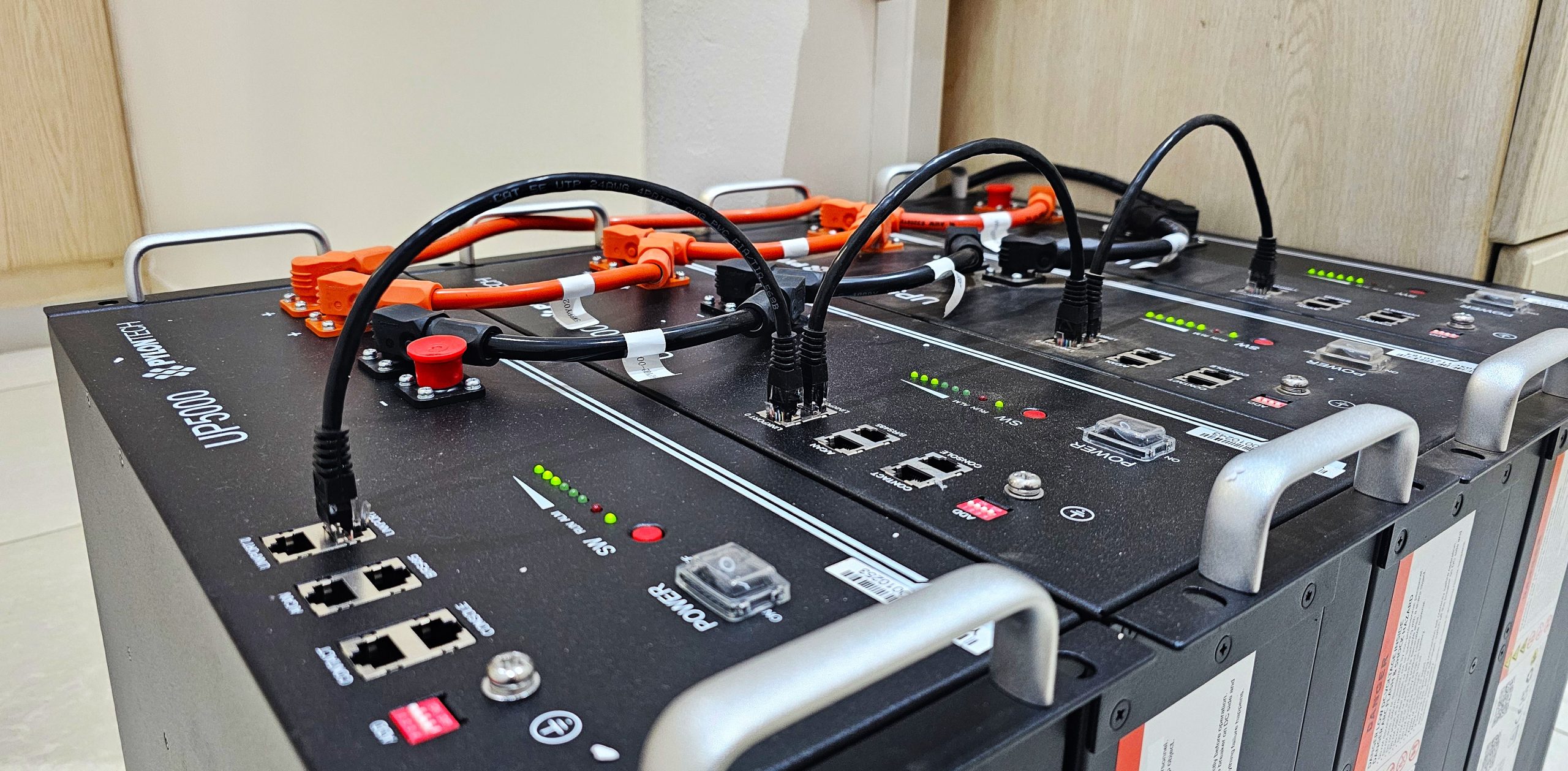
Understanding Lithium Battery C-Rating — and Why It Matters for Your Solar System in Zimbabwe
When choosing a lithium battery for solar power systems in Zimbabwe, most people look at capacity (Ah) and voltage — but there’s another critical factor that determines how efficiently your battery performs: the C-rating.
At WattsAhead Power Solutions, we believe that understanding the science behind your solar battery helps you make better, longer-lasting energy investments. Let’s break down what the C-rating means, and why it’s so important for your solar energy storage system.
What Is a C-Rating?
The C-rating of a lithium battery indicates the rate at which it can charge or discharge relative to its total capacity.
Think of it as the “speed limit” for your battery — how fast it can safely deliver or absorb power.
Example:
If you have a 100Ah lithium battery with a 1C rating, it can safely discharge 100 amps continuously.
A 0.5C battery would safely discharge 50 amps, while a 2C battery can deliver 200 amps.
Why C-Rating Matters in Solar Battery Systems
- System Performance and Power Delivery
The higher the C-rating, the more current your battery can deliver at once. This directly affects your system’s ability to power heavy loads like fridges, pumps, or air conditioners — especially during cloudy periods or at night. - Battery Protection and Longevity
Using a battery beyond its rated C-value can cause overheating, cell damage, and a shorter lifespan. Choosing the correct C-rating helps ensure your solar battery operates safely and lasts for years. - Efficient Solar Energy Storage
In solar systems, batteries need to charge quickly when sunlight is strong and discharge efficiently when power is needed. A proper C-rating ensures smooth energy flow between your solar panels, inverter, and battery — reducing energy loss. - Reliable Backup Power
In areas of frequent power outages in Zimbabwe, higher C-rated lithium batteries ensure your backup system can handle sudden power demands without voltage drops.
How to Choose the Right Lithium Battery C-Rating
Your ideal C-rating depends on your energy setup:
- Residential solar systems – typically 0.5C to 1C is suitable.
- Commercial or high-power systems – may require 1C to 2C or higher.
- Always ensure your inverter, solar panels, and batteries are compatible to prevent inefficiencies.
Example: Why C-Rating Matters in Real Life
Let’s say you’re running a 5kVA solar inverter in Harare.
If your battery can’t supply enough current (due to a low C-rating), your system might shut down prematurely even if the battery still has charge left.
Choosing a high-quality lithium battery with the right C-rating ensures smooth performance and longer power supply during load shedding.
Final Thoughts
Your lithium battery’s C-rating plays a vital role in your system’s efficiency, safety, and performance. Understanding it helps you get the most out of your solar energy investment — keeping your home or business powered reliably.
At WattsAhead Power Solutions, we provide premium lithium batteries, solar installations, battery upgrades, and energy management solutions across Zimbabwe.
We help you choose the right solar battery for your system to stay always ahead of the power. curve.