
Why Cheap Solar Isn’t Cheap: The Hidden Costs Zimbabweans Learn Too Late.
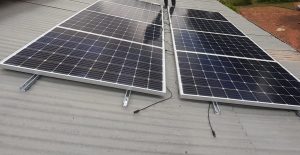 In Zimbabwe, solar power is no longer a luxury — it’s a necessity. With load shedding, unstable power supply, and rising electricity costs, more homes and businesses are turning to solar energy to keep the lights on.
But there’s a growing trend that’s worrying: the rush for the cheapest solar system available.
At first glance, it makes sense. If someone offers a system for half the price, why not take it? Unfortunately, many people only realise later that cheap solar is often the most expensive decision in the long run.
Let’s talk about why.
1. Cheap Components Fail Much Faster
The biggest difference between cheap and quality solar systems is the components used.
Low-cost systems often use:
- Low-grade batteries
- Generic inverters with poor voltage control
- Cheap solar panels with low efficiency
- Undersized cables and protection equipment
These parts might work at the beginning, but many start failing within months.
We’ve seen cases where:
- Batteries fail within a year
- Inverters damage connected equipment
- Panels produce far less power than expected
What looked like a bargain quickly becomes a repair project.
2. Poor Installation Can Damage the Entire System
Solar installation is not just about mounting panels and connecting wires. Proper system design matters.
Cheap installers often skip important steps like:
- Correct system sizing
- Proper battery charging settings
- Correct cable sizing
- Surge and overload protection
When these things are ignored, the system may:
- Overcharge batteries
- Deliver unstable voltage
- Shut down under normal load
In some cases, one wrong setting can destroy expensive batteries.
3. Cheap Batteries Are the Most Expensive Mistake
In Zimbabwe, the battery is the heart of the system.
Quality lithium batteries can last 8–10 years when properly installed. Cheap alternatives may fail in 12–24 months.
That means instead of buying one good battery once, you end up buying three or four replacements.
Suddenly the “cheap system” becomes twice as expensive as a proper one.
4. No After-Sales Support
Another common problem with cheap installations is disappearing installers.
When the system starts giving problems:
- Calls go unanswered
- Messages are ignored
- The installer is “no longer in the business”
Now the homeowner must pay another technician to diagnose and fix a system they didn’t install.
5. The System Cannot Grow With Your Needs
Many cheap solar systems are poorly designed and undersized.
Maybe it powers lights and a TV today, but what happens when you want to add:
- A borehole pump
- A fridge or freezer
- More appliances
A poorly designed system often cannot be upgraded, forcing you to start from scratch.
So What Does a Good Solar System Look Like?
A quality solar system should include:
✔ Proper system design based on your actual energy usage
✔ Reliable inverters with proper battery management
✔ High-quality lithium batteries
✔ Correct wiring and protection equipment
✔ Professional installation and testing
✔ Reliable after-sales support
Most importantly, it should be designed to last for years — not months.
Invest Once, Power Your Home for Years
Solar is a long-term investment. When done properly, it gives you energy independence, peace of mind, and long-term savings.
When done cheaply, it becomes a cycle of repairs, replacements, and frustration.
The difference isn’t just the price — it’s the quality of design, components, and installation.
Thinking About Installing Solar?
Before choosing the cheapest quote, talk to professionals who focus on quality, reliability, and long-term performance.
At WattsAhead Power Solutions, we design solar systems that are built to last — using trusted components and proper installation standards.
📞 Contact us today for expert advice and a system designed specifically for your home or business.
Because when it comes to solar, cheap today can cost you tomorrow. ☀️